
The Aspen Current
Ideas. Leadership. Action.

Videos
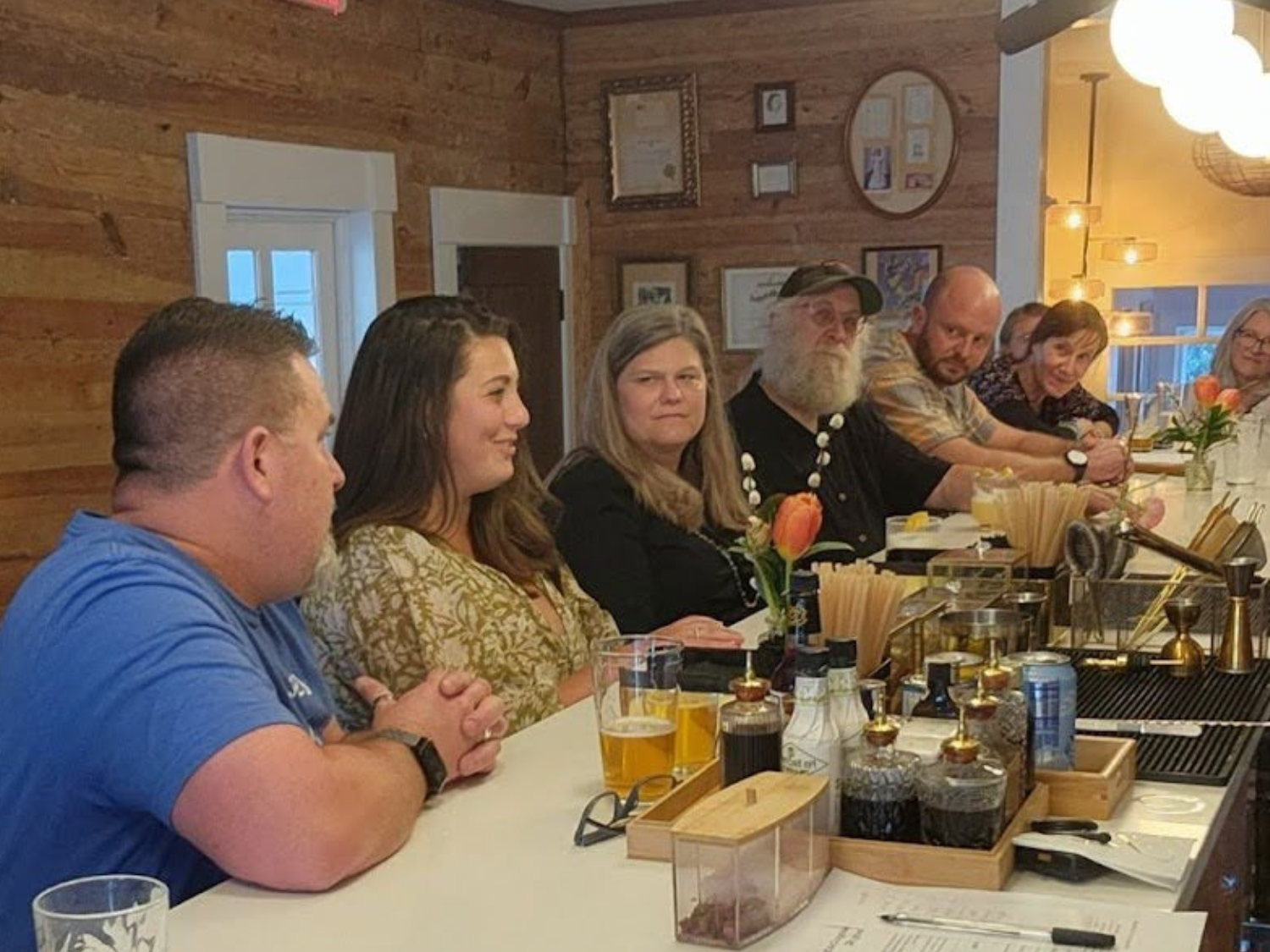
Can we truly listen across our differences?
Earlier this year in Wilkesboro, North Carolina, Aspen Institute Civil Society Fellow LB Prevette and Weave Community Liaisons Greg Brady invited neighbors into conversation about what matters to them most, making space for the hard and necessary conversations that weave a community together.
Video Videos
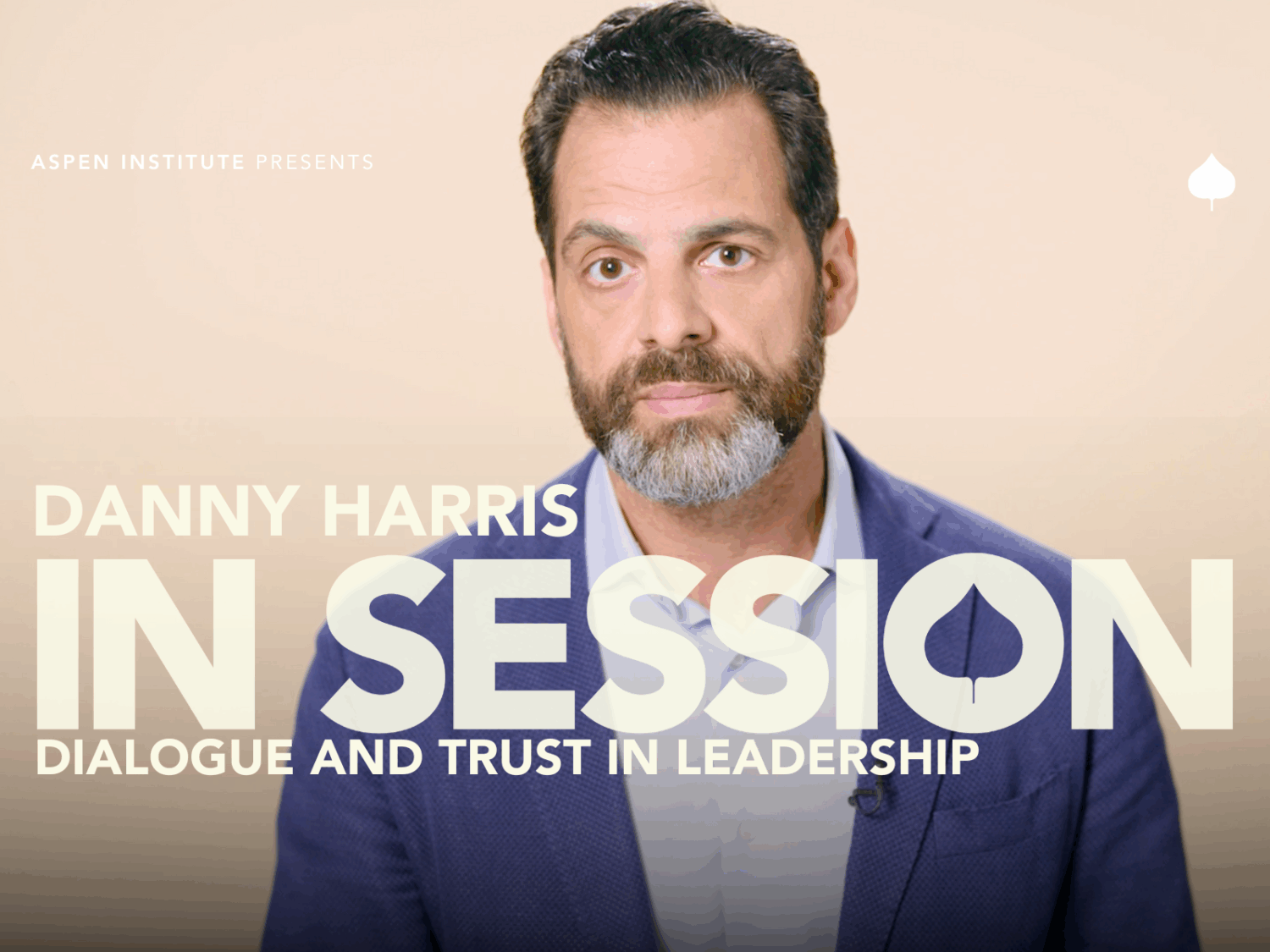
In Session: Danny Harris
Danny Harris, Executive Director of Aspen Socrates Program, shares some lessons on leadership collected along his journey, including as a parent.
Videos
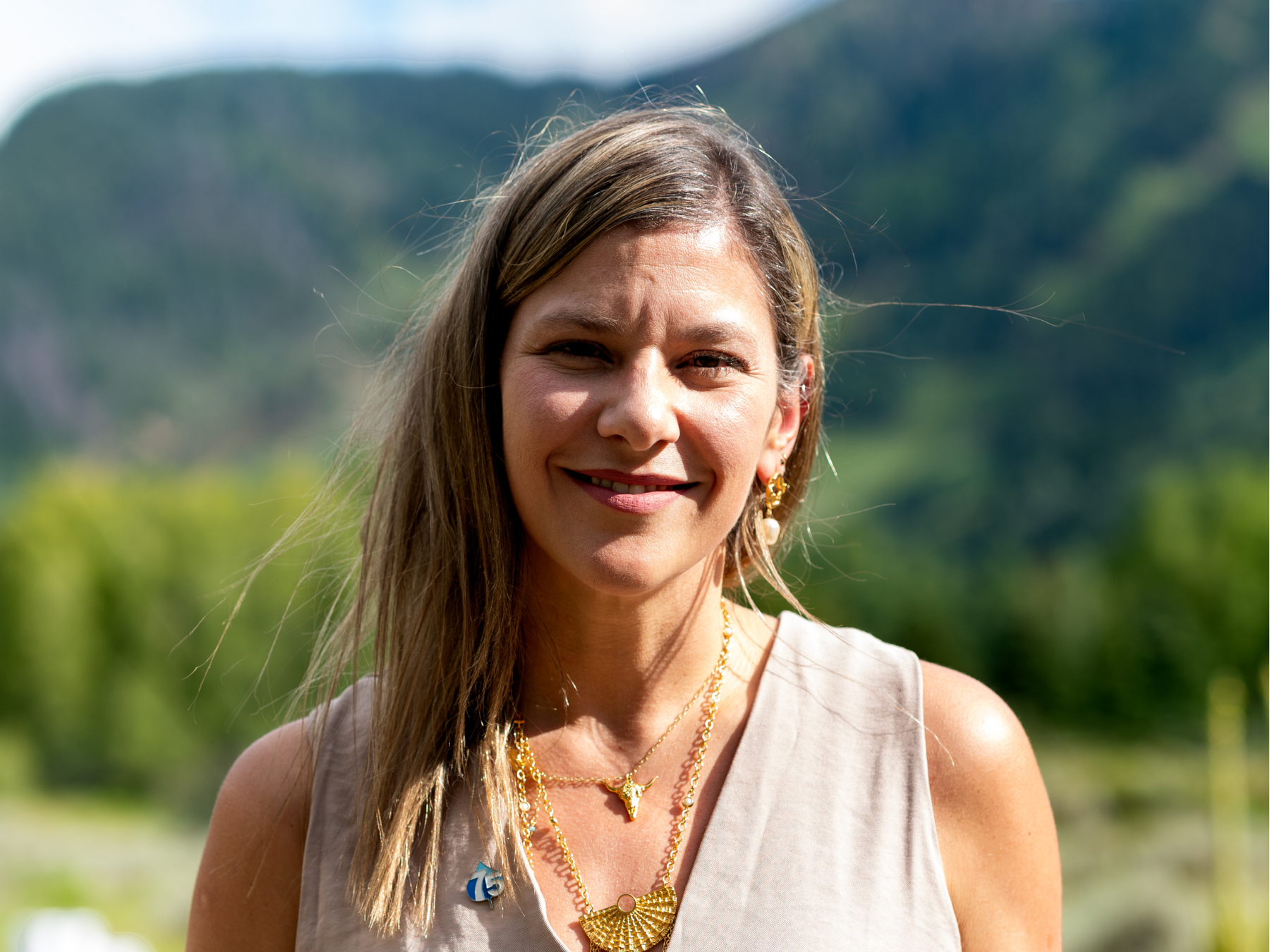
Leading with Purpose: Why Bodily Autonomy is the Ultimate Act of Freedom
Catalina Martínez Coral is a leading force for reproductive rights across Latin America and the Caribbean, guided by her belief that “the political is personal, and the personal is political.” As Vice President at the Center for Reproductive Rights, her leadership has driven landmark victories—from decriminalizing abortion in Colombia to securing justice for women and girls across the region.
Videos
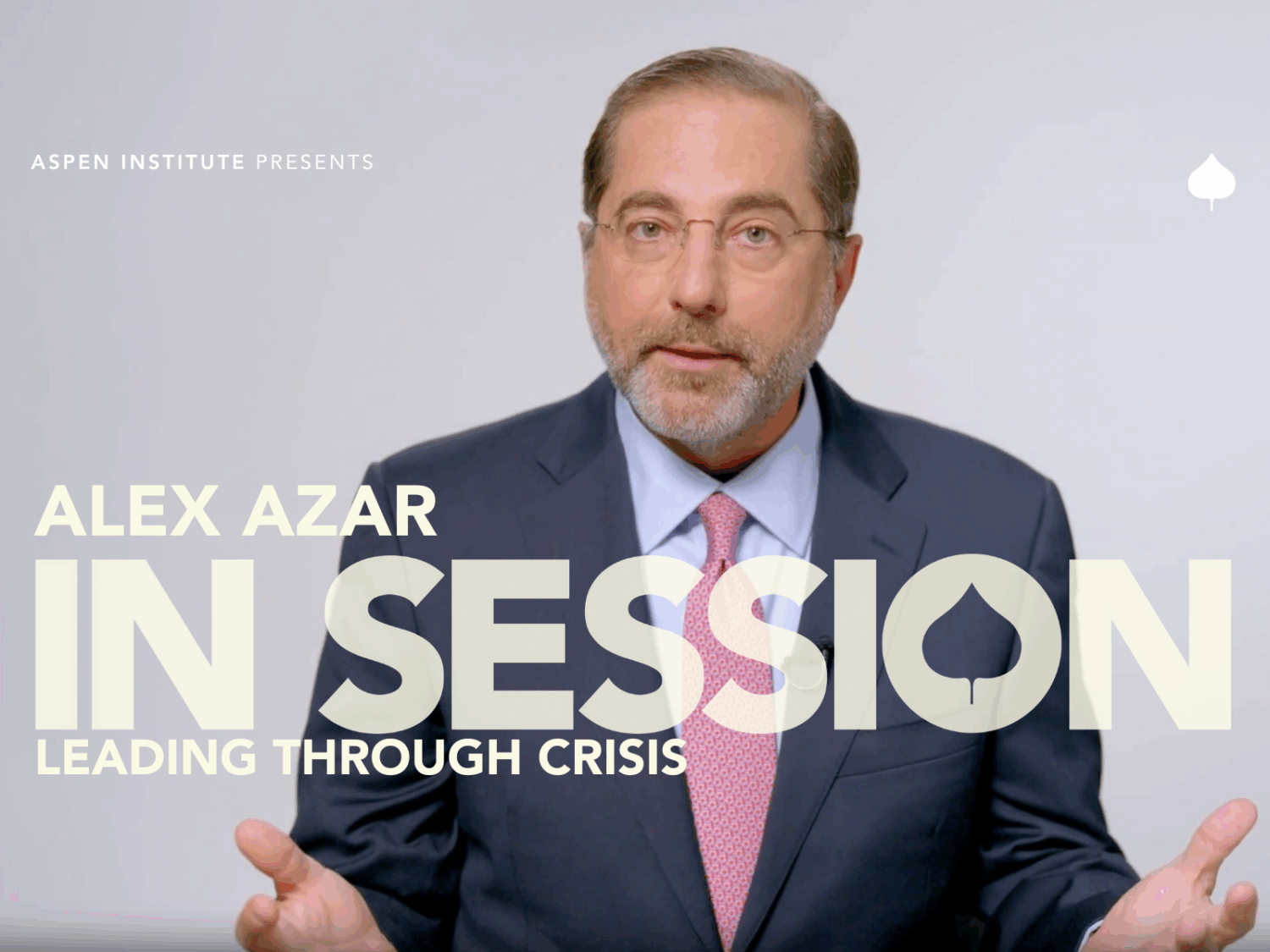
In Session: Alex Azar
When the COVID-19 pandemic swept across the United States in 2020, former U.S. Secretary of Health and Human Services and Aspen Institute Board Trustee Alex Azar faced the challenge of a lifetime.
Video Videos
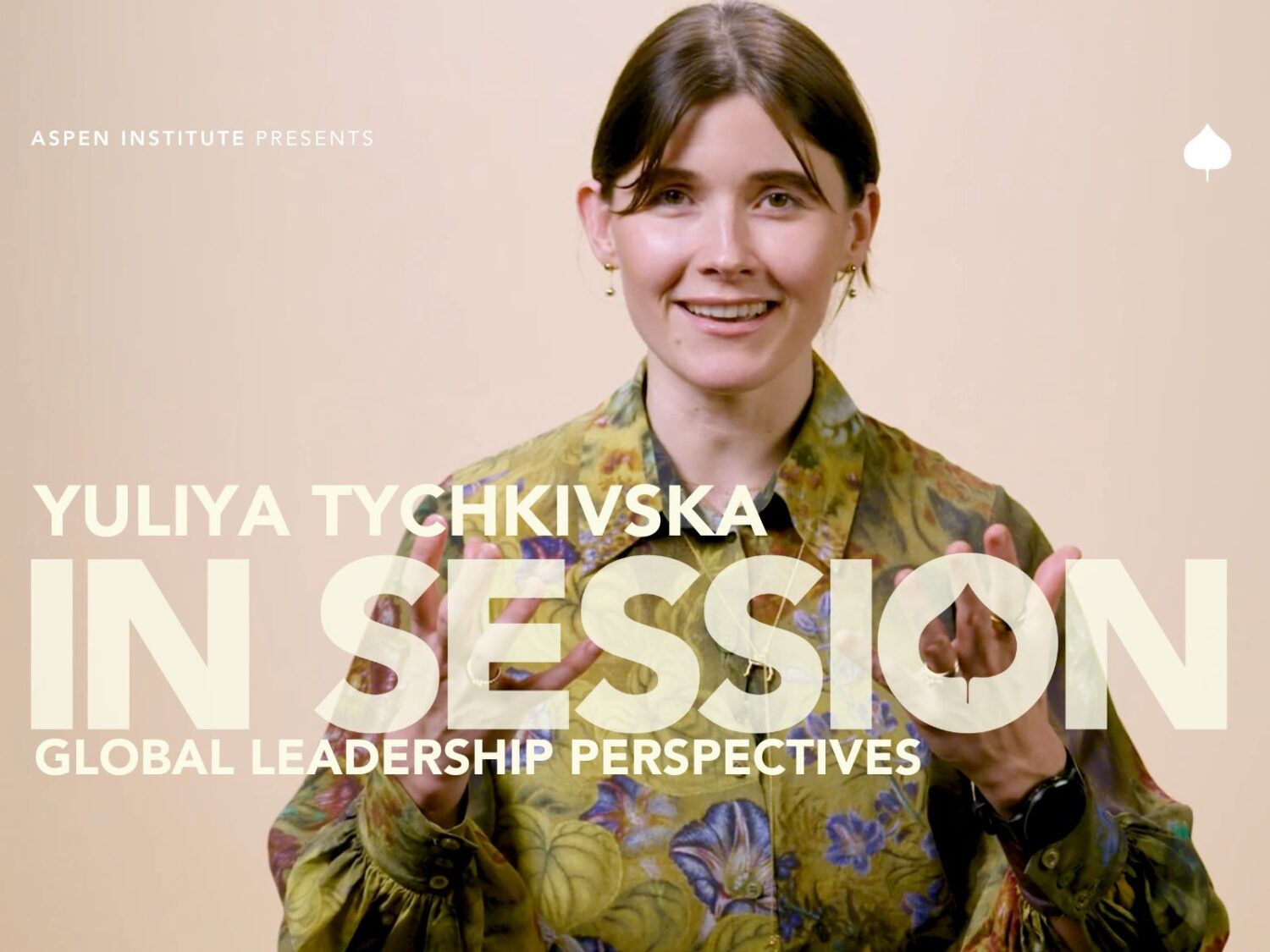
In Session: Yuliya Tychkivska
Yuliya Tychkivska, Executive Director of Aspen Institute Kyiv, reflects on how the war in Ukraine has reshaped her understanding of leadership.
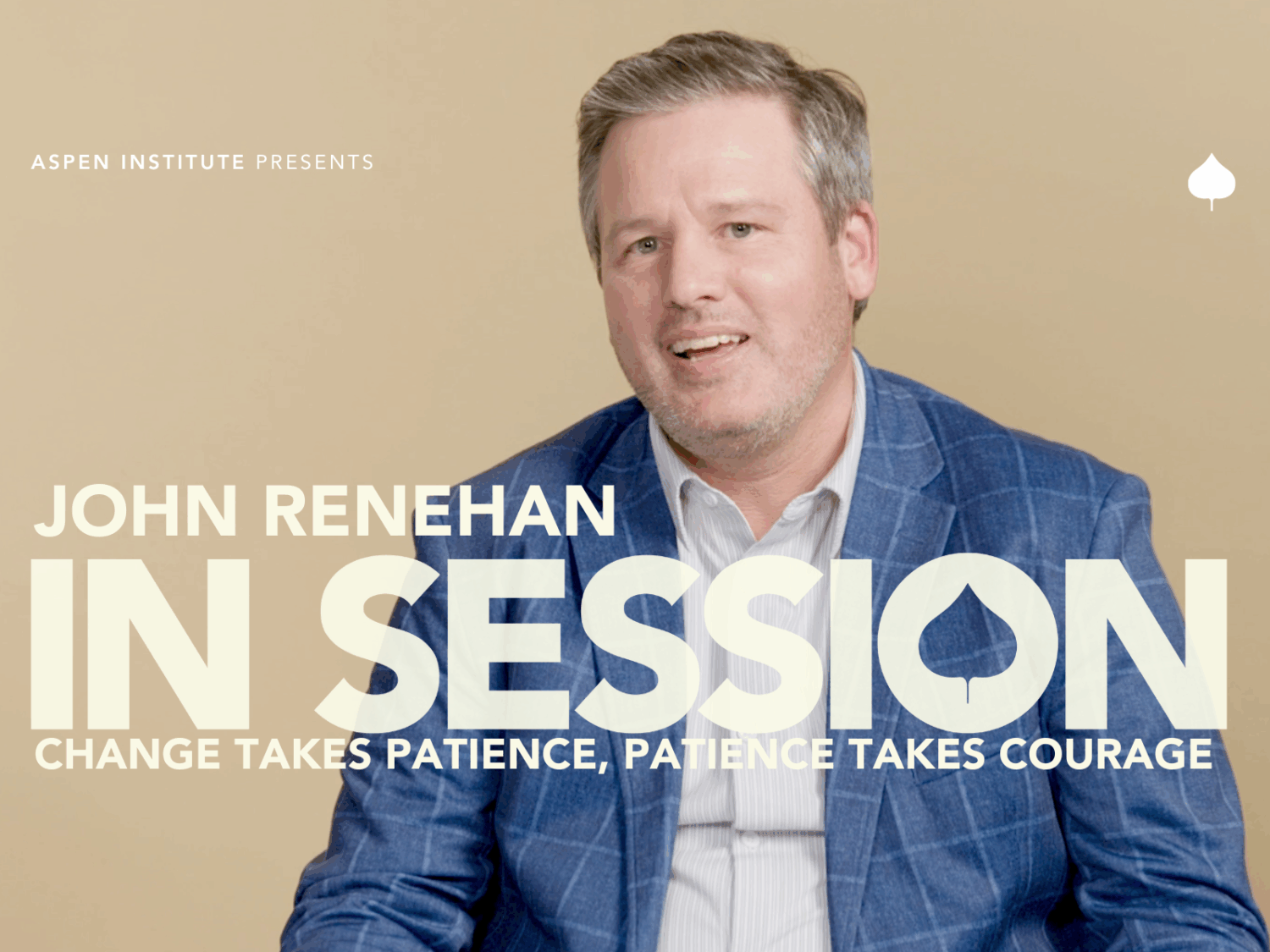
In Session: John Renehan
John Renehan, Aspen Institute First Mover Fellow, reflects on what it truly means to lead with integrity in a complex and fast moving world.
Video Videos
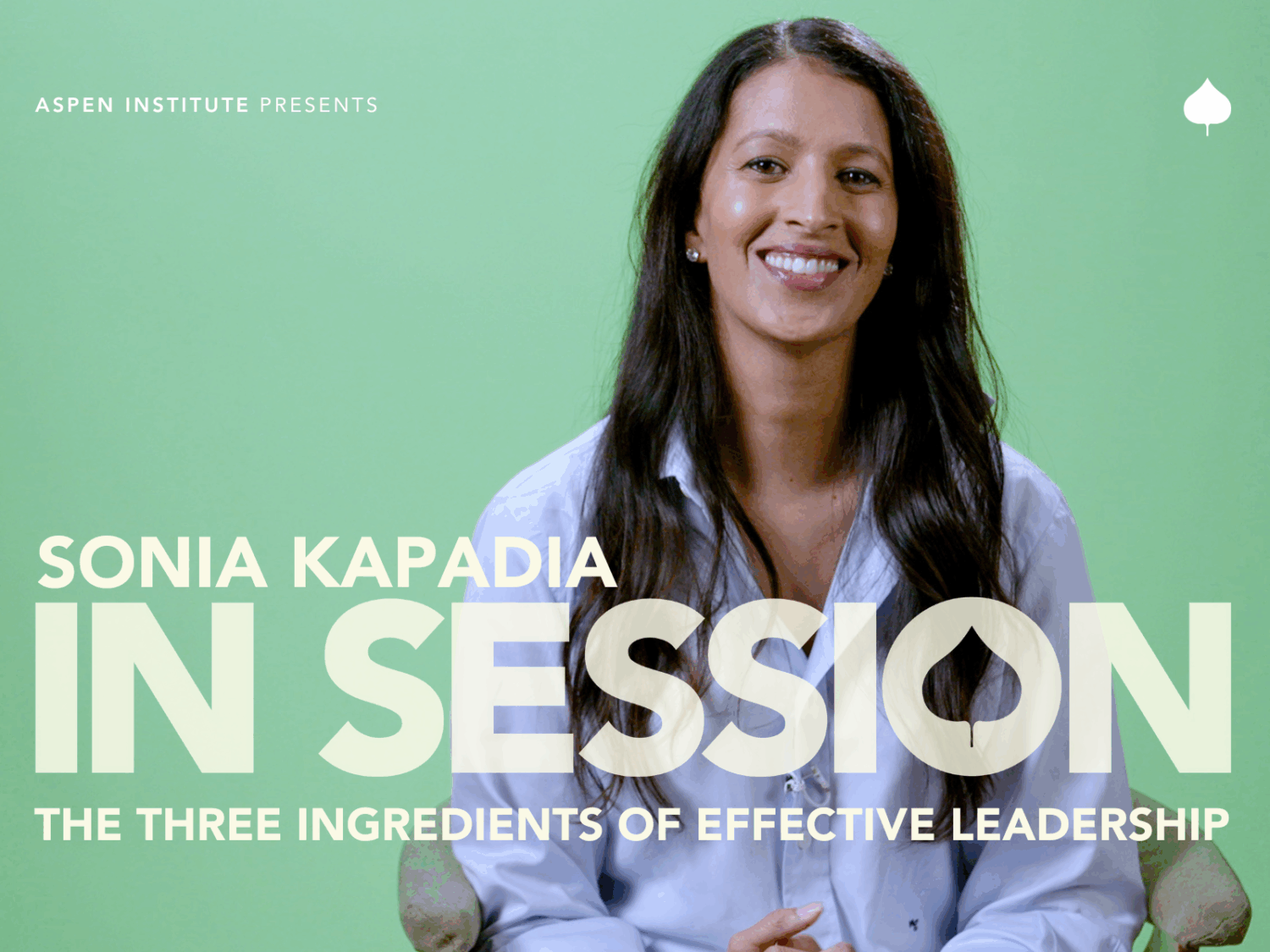
In Session: Sonia Kapadia
Sonia Kapadia shares why authentic leadership, smart risk taking, and love for the work are essential to driving meaningful change.
Videos
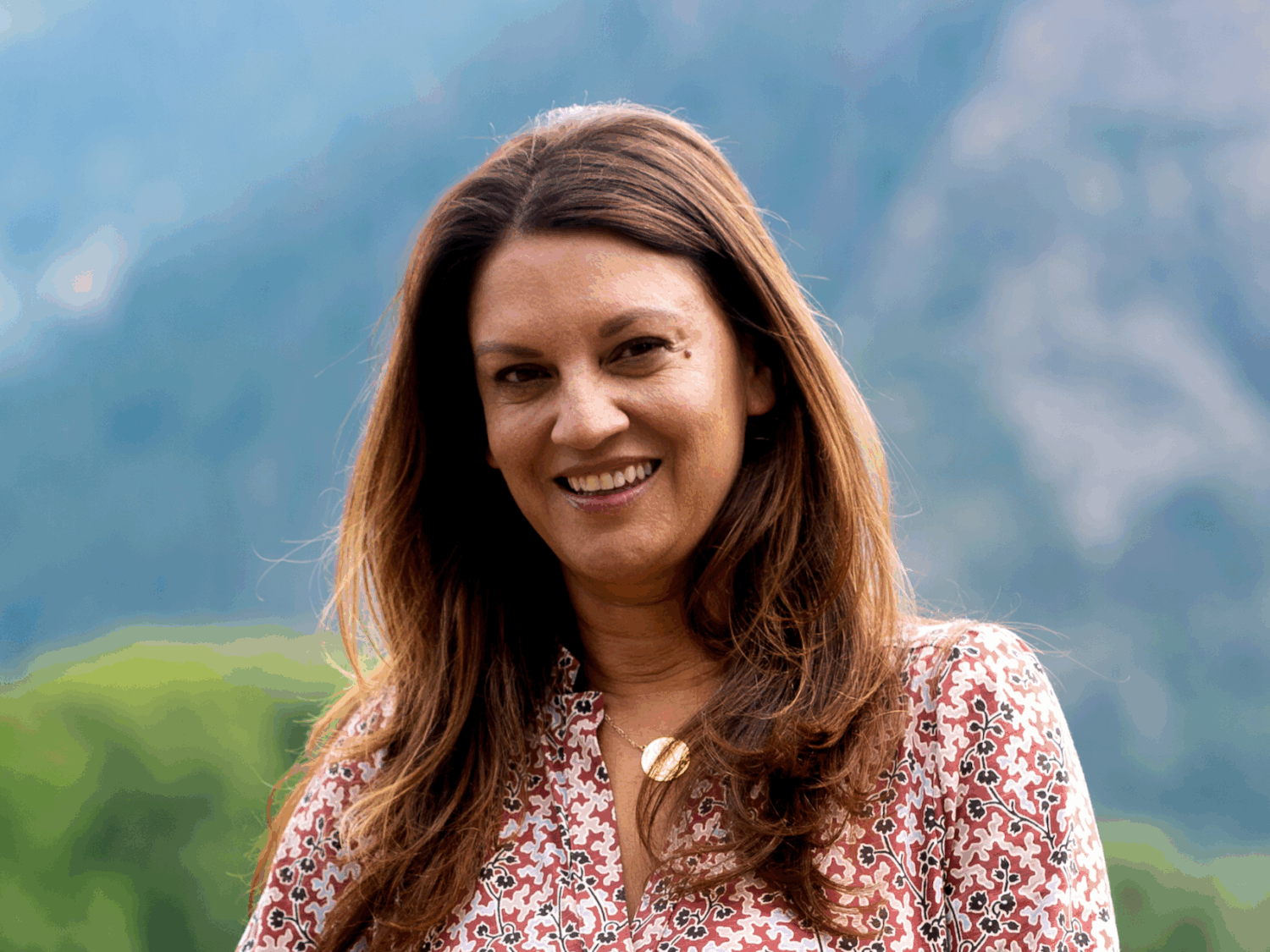
Empowering Girls at Scale: Simi Nwogugu’s Vision for a Safer, Stronger Africa
Simi Nwogugu’s journey reflects a bold commitment to helping African girls rise — equipping them with agency, protection, and leadership skills to rewrite their futures.
Videos
A Mother’s Mission to End Malnutrition: Navyn Salem’s Global Impact
Navyn Salem launched Edesia to combat global malnutrition, creating life-saving foods that have helped millions of children survive and thrive.
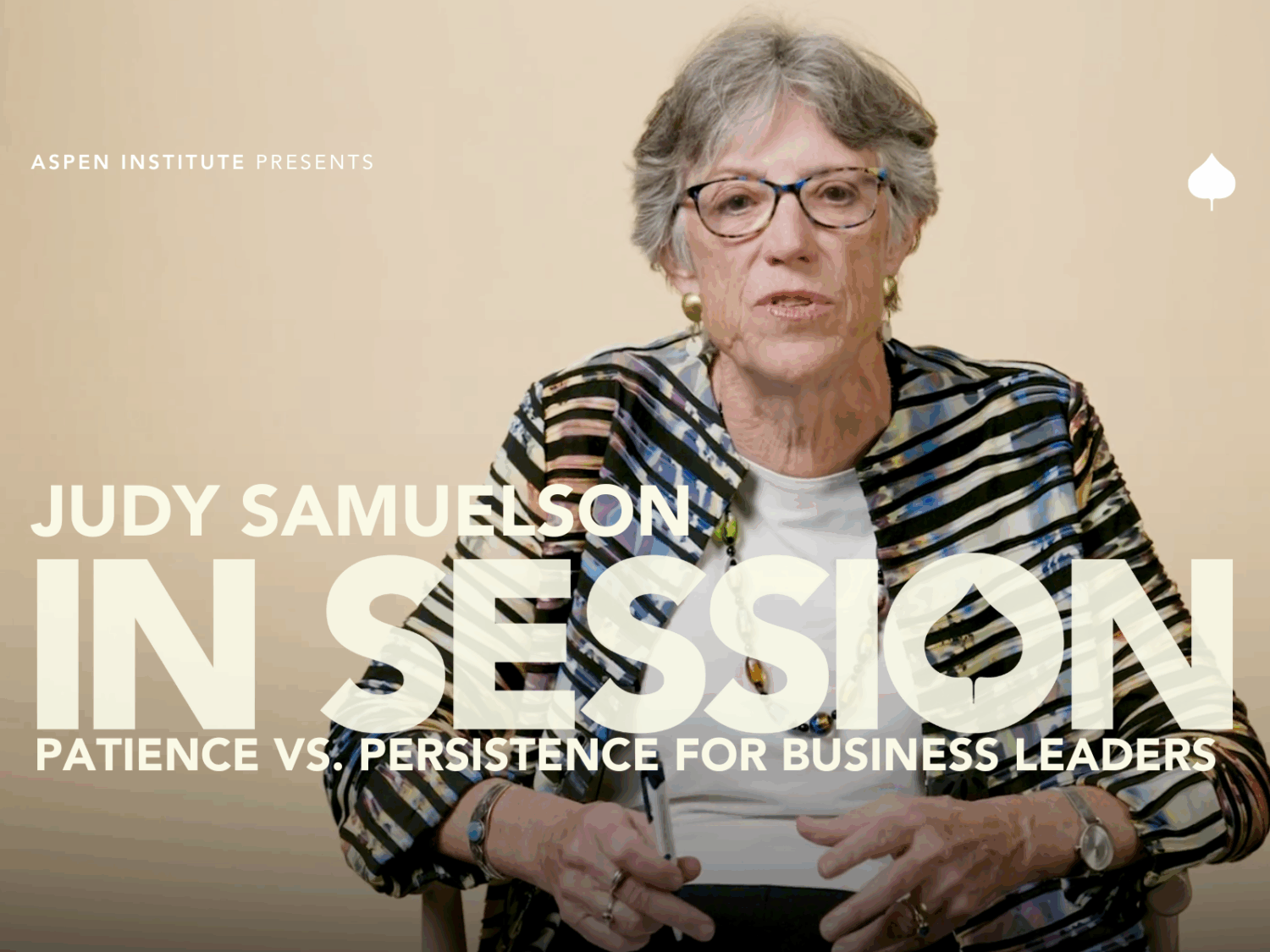
In Session: Judy Samuelson
Judy Samuelson, the Executive Director of the Business & Society Program, joins other Aspen leaders for an “In Session” interview.

Ideas. Leadership. Action. Delivered to You.
The Aspen Institute shares regular updates about our work. You’ll receive the latest information on upcoming events and popular material from our staff — including publications, blog posts, podcasts, and videos.
OUR STORY
75 Years of Impact
This year, the Aspen Institute marks a milestone—our 75th anniversary. Founded in 1949, the Institute began with a bold idea: that addressing the world’s most pressing challenges requires dialogue, collaboration, and leadership rooted in human dignity and shared purpose.